I’ve been reading a lot of trip reports lately. Trip reports are accounts people write about their experiences doing drugs, for the benefit of other people who might do those same drugs. I don’t take illegal drugs myself, but I like learning about other people’s intense experiences, and trip reports are little peeks into the extremes of human consciousness.
In some of these, people are really trying to communicate the power and revelation they had on a trip. They’re trying to share what might be the most meaningful experience of their entire life.
Here’s another thing: almost all trip reports are kind of mediocre writing.
This is wildly judgmental but I stand by it. Here are some common things you see in them:
Focusing on details specific to the situation that don’t matter to the reader. (Lengthy accounting of logistics, who the person was with at what time even when they’re not mentioned again, etc.)
Sort of basic descriptions of phenomena and emotions: “I was very scared”. “I couldn’t stop thinking about it.”
Cliches: “I was glad to be alive.” “It felt like I was in hell.” “It was an epic struggle.”
Insights described in sort of classically-high-sounding abstractions. “I realized that the universe is made of love.” “Everything was nothing and time didn’t exist.” These statements are not explained, even if they clearly still mean a lot to the writer, and do not really communicate the force of whatever was going on there.
It’s not, like, a crime to write a mediocre trip report. It’s not necessarily even a problem. They’re not necessarily trying to convince you of anything. A lot of them are just what it says on the tin: recording some stuff that happened. I can’t criticize these for being bland, because that seems like trying to critique a cookbook for being insufficiently whimsical: they’re just sharing information.
(…Though you can still take that as a personal challenge; “is this the best prose it can be?” For instance, How to Cook and Eat in Chinese by Chao Yang Buwei is a really well-written cookbook with a whimsical-yet-practical style. There’s always room to grow.)
But some of these trip reports very much do have an agenda, like “communicating crucial insights received from machine elves” or “convincing you not to take drug X because it will ruin your life”. In these cases, the goal would be better served if the writing were good, and boy howdy, my friends: the writing is not good.
Which is a little counter-intuitive, right? You’d think these intense and mind-blowing experiences would automatically give you rich psychic grist for sharing with others, but it turns out, no, accounts of the sublime and life-altering can still be astonishingly mid.
Now certain readers may be thinking, not unreasonably, “that’s because drug-induced revelations aren’t real revelations. The drug’s effects makes some thoughts feel important – a trip report can’t explain why a particular ‘realization’ is important, because there’s nothing behind it.”
But you know who has something new and important to say AND knows why it’s important? Academic researchers publishing their latest work.
But alas, academic writing is also, too frequently, not good.
And if good ideas made for good writing, you’d expect scientific literature to be the prime case for it. Academic scientists are experts: they know why they made all the decisions they did, they know what the steps do, they know why their findings are important. But that’s also not enough.
Ignore academic publishing and the scientific process itself, let’s just look at the writing. It’s very dense, denser than it needs to be. It does not start with simple ideas and build up, it’s practically designed to tax the reader. It’s just boring, it’s not pleasant to read. The rationale behind specific methods or statistical tests aren’t explained. (See The Journal of Actually Well-Written Science by Etienne Fortier-Dubois for more critique of the standard scientific style.) There’s a whole career field of explaining academic studies to laypeople, which is also, famously, often misleading and bad.
This is true for a few reasons:
First, there’s a floor of how “approachable” or “easy” you can make technical topics. A lot of jargon serves useful purposes, and what’s the point in a field of expertise if you can’t assume your reader is caught up on at least the basics? A description of synthesizing alkylated estradiol derivatives, or a study on the genome replication method of a particular virus, is simply very difficult to make layperson-accessible.
Second, academic publishing and the scientific edifice as it currently stands encourage uniformity of many aspects of research output, including style and structure. Some places like Seeds of Science are pushing back on this, but they’re in the minority.
But third, and this is what trips up the trip-reporters and the scientists alike, writing well is hard. Explaining complicated or abstract or powerful ideas is really difficult. Just having the insight isn’t enough – you have to communicate it well, and that is its own, separate skill.
I don’t really believe in esoterica or the innately unexplainable. “One day,” wrote Jack Kerouac, “I will find the right words, and they will be simple.” Better communication is possible. There are great descriptions of being zonked out of one’s gourd and there is great, informative, readable science writing.
So here’s my suggestion: Learn to write well before you have something you really need to tell people about. Practice it on its own. Write early and often. Write a variety of different things and borrow techniques from writing you like. And once you have a message you actually need to share, you’ll actually be able to express it.
(A more thorough discussion of how to actually write well is beyond the scope of this blog post – my point here is just that it’s worth improving. if you’re interested, let me know and I might do a follow-up.)
Thank you Kelardry for reviewing a draft of this post.
This summer, I participated in a human challenge trial at the University of Maryland. I spent the days just prior to my 30th birthday sick with shigellosis.
What? Why?
Dysentery is an acute disease in which pathogens attack the intestine. It is most often caused by the bacteria Shigella. It spreads via the fecal-oral route. It requires an astonishingly low number of pathogens to make a person sick – so it spreads quickly, especially in bad hygienic conditions or anywhere water can get tainted with feces.
It kills about 70,000 people a year, 30,000 of whom are children under the age of 5. Almost all of these cases and deaths are among very poor people.
The primary mechanism by which dysentery kills people is dehydration. The person loses fluids to diarrhea and for whatever reason (lack of knowledge, energy, water, etc) cannot regain them sufficiently. Shigella bacteria are increasingly resistant to antibiotics. A disease easily treatable by lots of fluids and antibiotics is becoming more lethal.
Can someone do something?
The deal with human challenge trials
Clinical trials in general are expensive to run but pretty common; clinical trials where you are given the disease – “challenged”, AKA “human challenge trials” – are very rare. The regular way to investigate a possible treatment is to make a study plan, then find people who have the disease and offer to enroll them in the experimental treatment. Challenge trials are less common, but often more valuable for research – shigellosis is a fast-acting disease that is imminently treatable by antibiotics and uncommon in the US. It would be very difficult to test an alternative shigellosis treatment in the US in the conventional way, but it’s a great candidate for challenge trials.
I’d signed up for email alerts on upcoming challenge trials at the nearby University of Maryland, and got one about an upcoming study. It caught my eye that it was for a phage-based treatment. Bacteriophages are really promising antibacterial medicines, not to mention what I’d studied as an undergrad.
Here’s the thing: you really only get good medical research out of human subjects. Also, I could use $4000 and this seemed like a cool way to spend a couple weeks and help out medical research. So I signed up, got a check-in general health appointment, and shortly after, was told I was in. I made plans to spend my 30th birthday in a dysentery ward.
Dysentery: it’s a modern disease
Many of you reading this will know about dysentery from the 1971 simulation game The Oregon Trail (or its later versions). The actual Oregon Trail was a network of trails and the corresponding migration of mostly-white pioneers, moving on foot and on ox-drawn wagon from the eastern US to the western US between 1830 and 1869. About 400,000 people* crossed the Oregon Trail in this period, and a lot of them were on similar trails – a bunch of stressed and malnourished people, traveling in close quarters with their families, stopping and pooping near the same trails and creeks with no regard for water safety – diseases spread very fast in these conditions. From these and other stressors, about 65,000 people died in this 40-year period.
Stated another way, more people die from dysentery now, every year than ever died from any cause on the Oregon Trail. So let’s calm down about the Oregon Trail, okay?
*Lots of people use this 400,000 number but I can’t figure out where it came from and if this is referring to individuals or families – I’ve seen sources indicate it was either. If it was families, it was probably counting the men who were “the pioneers” and then being like “oh and there were women and kids there also, I guess.” But maybe it was individuals? Or maybe someone just made this up? Again, no idea where it came from. You gotta be careful every time anyone tells you a number. It’s so bad out there. The only thing worse than someone telling you a number is when they don’t tell you a number.
Getting ready
A week or so before I went, I’d been pointed to Jake Eberts’s twitter thread. Jake Eberts also participated in a challenge trial for a dysentery vaccine, also I think at UMD and the same Baltimore facility I was at, where he got very sick and went viral for livetweeting the experience. He started a fundraiser for dysentery relief and got a lot of people to sign up for clinical trials themselves, and now he works for 1DaySooner, premier “hey, human challenge trials are cool” advocates.
I read his twitter thread and sent my friends this meme:
I brought Infinite Jest, which I was partway through and was a lot more through (but still not done) by the time I was discharged. (I’m writing this while traveling, and in a fit of poor timing I finally finished it on the plane ride in, which means I now have a giant brick of a book to carry around in my suitcase.) My friend Ozy said that Infinite Jest was a really good book for reading in a dysentery ward.
I thought, oh, that’s interesting, you know, a lot of the characters are pretty miserable and living in a controlling institution of some kind. Then I remembered this one passage, where circumstances have forced a character into withdrawing from heroin alone, holed up for days in a public bathroom:
Time began to pass with sharp edges. Its passage in the dark or dim-lit stall was like time being carried by a procession of ants, a gleaming red martial column of those militaristic red Southern-U.S. ants that build hideous tall boiling hills, and each vile gleaming ant wanted a minuscule little portion of Poor Tony’s flesh in compensation as it helped bear time slowly forward down the corridor of true Withdrawal. By the second week in the stall time itself seemed the corridor, lightless at either end. After more time time then ceased to move to be moved or be move-throughable and assumed a shape above and apart, a huge, must-feathered, orange-eyed wingless fowl hunched incontinent atop the stall, with a kind of watchful but deeply uncaring personality that didn’t seem keen on Poor Tony Krause as a person at all, or to wish him well. Not one little bit. It spoke to him from atop the stall, the same things, over and over. They were unrepeatable. Nothing in even Poor Tony’s grim life-experience prepared him for the experience of time with a shape and an odor, squatting; and the worsening physical symptoms were a spree at Bonwit’s compared to time’s black assurances that the symptoms were merely hints, signposts pointing up at a larger, far more dire set of Withdrawal phenomena that hung just overhead by a string that unraveled steadily with the passage of time. It would not keep still and would not end; it changed shape and smell.
I was forced to agree that Infinite Jest was indeed probably a pretty good choice.
Two days until challenge
Checking in, everyone’s bags were checked. I got the impression they really didn’t want some kind of bad outcome where they had to call cops into a ward where everyone was running around with the bloody flux, which, fair enough. They did take away my craft scissors. I didn’t end up knitting so it wasn’t a big deal but like I’m pretty sure I’ve taken those on airplanes before. Okay.
We were assigned a number (I was just on this side of divinity at No. 107), given a plastic wristband, and shown to our rooms. We were also given two pairs of scrubs which were to be our main clothes on the ward – less risk of ruining hard-to-launder clothes in the more messy phases of the study – though it did mean 15 people having to coordinate laundry every day.
Where I made my stand
The ward was more of a retrofitted office building than a hospital. It consisted of some spaces for nurses and testing, about 6 bedrooms of various sizes (each with their own half-bath), two separate areas with two shower stalls each, a “kitchen” with snacks and where the meals were delivered to, a closet with washer and dryer, and a rec room with couches and a TV and a pool and foosball table.
There were about 16 people on the ward, an even mix of men and women. Most of them were Baltimore locals; many of them had done other trials before. We were fully allowed to socialize – dysentery is, again, infectious through the fecal-oral route, hand sanitizer was stationed all over the place but there wasn’t a huge concern that we’d infect each other or even the nurses.
Life on the ward is very chill. I was worried about being bored, but I’d forgotten that I spend most of my waking hours on the computer anyway, so it really wasn’t a problem. When even my iron gaze faltered and couldn’t stare at the computer anymore, I read Infinite Jest.
Meals were delivered once a day – one cold usually wrap- or sandwich-based meal, one hot breakfast, one hot supper dish, labelled with people’s numbers.
Sample lunch
They were, like, fine. The caterers made a few interesting choices – for vegetarians such as myself, every sandwich/wrap was some veggies with hummus, and now and then there’d be like breakfast pancakes with a curry-flavored veggie hamburger patty. I would describe the flavor when drenched with table syrup as “weird.”
Like, you can tell the person planning that menu was like “okay, pancakes and bacon… And wait, crap, something with protein for the vegetarians.” But again, I’ve eaten worse for things I’ve actually paid for ingredients for, and I was definitely eating better in terms of variety and volume than I did at home. I’m not complaining.
One day before challenge: the age of phage
This study was sort of an over-time test – ideally the first of a few, where we’d get phages before (unless we were in the control group), during, and after the “challenge” (the shigella) to see if they had any effect at all – if it did, later studies could determine if you could just drink the phage after getting sick, or if it would work best as a prophylactic, or etc. We drank a chalky buffer solution to neutralize stomach acid and give the bacteriophages (and later, the bacteria) a better chance at making it to the intestine.
What do the solutions taste like? Basically all salty fluid with slight mineral nuance, from the buffer. Phages are known to be pretty tasteless so I didn’t expect anything else.
Bacteriophage therapy: sending a cat after mice
A bacteriophage is a virus that infects bacteria. They were discovered shortly after bacteria themselves were really pinned down – microscopes were finally powerful enough to make out bacteria, and visionaries like Robert Koch and Louis Pasteur were pinpointing that these little nothing-pinpricks were in fact the source of diseases. (For more on the discovery of the microbial world, see “Through the Looking Glass and what Zheludev Et Al. (2024) Found There”, my recent piece in Asterisk Magazine.)
In 1917, Félix d’Hérelle found an agent that killed cholera bacteria, which passed through a fine filter, and which could reproduce – a living agent that killed bacteria, but that was itself smaller than a bacteria.
d’Hérelle realized right away this substance which killed bacteria, and which people had apparently been drinking, had potential as medicine. He bred pathogenic bacteria in vats and added solutions, and waited until the cloudy brother of bacteria turned clear – then offered this liquid to sick patients. Many of them, sure enough, recovered. I was (unless I was in the control group) walking in historical footsteps. Dysentery was the first human disease ever treated with phage medicine.
Sending a phage after bacteria is like sending a cat after mice. Phages are small, targeted, well-adapted hunters of specific bacteria. There is no way for them to infect a human cell like a human virus would – they are completely specialized. Phages are already in the body, along with their bacterial hosts – so you’re not introducing a radically new agent – and the immune system tends to play well with them.
Phage are used widely in some parts of the world – the Republic of Georgia and Poland both sell phage over-the-counter, for use in say intestinal conditions or wounds, and have clinics for personalized treatment. In the US, phage therapy is an extremely rare specialty, sometimes even falling under the umbrella of naturopathy. (A phage being a natural bioactive product.)
Why would you use antibiotics instead of phages, or vice versa?
Phages
Antibiotics
Targeted – a phage attacks one species or one strain of bacteria Easy to find usable new ones More finnicky (e.g. less stable) Predator-prey pharmacokinetics
Mostly spread where the bacteria are Very few side effects
Broad-spectrum
Hard to find usable new ones Shelf stable Regular blood-elimination-curve pharmacokinetics Systemic; enter the bloodstream Sometimes-serious side effects
What if the bacteria become resistant to the phages too?
Well, that can happen easily – probably even easier than with antibiotics. Cells have been duking it out with viruses since the beginning of life. (Did you know CRISPR-Cas9, now used for gene editing, evolved in nature as a way for bacteria to recognize and cut up phage DNA?)
But the difference is that whereas new antibiotics are very hard to find, there is a nigh-inexhaustible evolutionary font of phages constantly pulling ahead in the arms race. So in short: once a bacteria becomes resistant to your special phage, just find a new phage.
Do they work?
To my knowledge, there aren’t any really gold-standard reviews comparing phages head-on to antibiotics. They are fiddlier than antibiotics, with a specialized body of knowledge for treatment – less stable, have to be introduced to the site directly, much more care in choosing an appropriate treatment.
One small study found a phage treatment comparably effective to antibiotics for Salmonella typhimirium in 36 lab mice.1 Another meta-study compared modern antibiotic studies to 17 studies from the last time human phage research was in vogue in the US, the 1920s-40s, and found that phages were effective treatments – but 4 modern clinical trials suggested phages were not effective.2 A more recent study of personalized phage therapy showed promising results in infections considered “difficult-to-treat”.3 They seem to work best when used with antibiotics.
I’m not doing a full lit review right now. I bet that phage therapy still has promise – more careful formulations and just more research will help. That’s before challenges of commercial rollout, including things like handling FDA approval for a product that must be reformulated regularly.
The elephant in the room is antibiotic resistance – antibiotics usually work extremely well, but increasingly, bacteria can survive them. Antibiotic resistance is, unlike other diseases you might think of that are exacerbated by over-medication, not a condition of privileged countries – lots of Shigella bacteria in developing countries are increasingly antibiotic-resistant.
Even if phages don’t work as well as the magic silver bullet that is antibiotics, they might work well enough to be worth incorporating into our medical toolbox as part of AMR management. And that means developing them now.
The other challenge is of course regulatory – I’m excited that Intralytix, who made the experimental product I did-or-didn’t take, is throwing their hat into the space of human phage medicine, and to see how they handle this.
Day 1 of challenge
On the third day in the ward after a day of baseline and a day of phage (unless we were in the control group), we took another dose of phage (unless we were in the control group), waited a couple of hours, and then drank a glass of shigella. This tasted like baking soda and salt with no particular nuance, nor would I expect nuance; the dose was some 1300 organisms – as in 1300 individual cells of bacteria, count ‘em. A preposterously scant microbial innoculum, even for devoted parasites it often takes on the order of millions of organisms to lodge an infection – but shigella is remarkably tenacious. It would only have taken 10-200. This was overkill – a dose that WILL make you sick, unless you’re protected. All the participants drank.
The waiting game
Shigella has a 24-72 hour incubation period, maybe 12-96 hours on the far ends.
Perhaps owing to quirks of my own psyche, whose origins I’m sure we don’t need to explore here, I find it reassuring to have reference experiences to conveniently benchmark the rest of my life by. If you go skiing, you can ask yourself later, “is this more or less exhilarating than skiing?” If you fall in love once, you can compare future loves to that earlier experience.
A good standard reference point for “shared, resigned dread” is the 72 or so hours in a clinical trial ward after everyone has ingested shigella bacteria along with maybe-a-treatment.
The vibes were ominous. Jovially nervous. Unprecedented gastrointestinal distress may or may not have been coming for me, but if it is, it would be arriving in (on average) 48 hours.
The floor was pretty quiet. The hours ticked by.
Infinite Jest is, by the way, a great book. David Foster Wallace knew how to write a goddamn sentence on purpose.
Let’s learn about Shigella pathogenesis
While I waited, I decided to read up. Shigella bacteria invades the body via the digestive canal, and infects the intestines – both small and large. It releases a toxin that facilitates its infection of other parts of the intestine and its eventual replication. It’s an intracellular pathogen – some bacteria, like all viruses, actually enter the host’s cell and replicate inside there.
Shigella actually prefers to invade the outside (or should I say the inside?) of intestinal cells. But the body is a locked-down system with its own guard force, the immune system, keeping the dirty external environment separate from the sterile inside environment. Shigella in the digestive tract really wants to poke through that line of intestinal cells and get at them from the other side.
Once inside of the colon, S. flexneri can penetrate the epithelium in three ways: 1) The bacterium can alter the tight junctions between the epithelial cells, allowing it to cross into the sub-mucosa. 2) It can penetrate the highly endocytic M cells that are dispersed in the epithelial layer and cross into the sub-mucosa. 3) After reaching the sub-mucosa, the bacteria can be phagocytosed by macrophages and induce apoptosis, cell death. This releases cytokines that recruit polymorphonuclear cells (PMN) to the sub-mucosa. S. flexneri still in the lumen of the colon traverse the epithelial lining as the PMNs cross into the infected area. The influx of PMN cells across the epithelial layer in response to Shigella disrupts the integrity of the epithelium allowing lumenal bacteria to cross into the sub-mucosa in an M-cell independent mechanism.
This is really funny. Okay, imagine there’s a blockade of tightly parked police cars facing you and you and your buddies need to go get to their trunks so you can hide in them. Here are 3 ways to do this:
Push the police cars to the side so you can walk between them
Look for the police cars with the biggest doors, so that you can squeeze through the car and leave through their trunk (or I guess probably just stay in the trunk at that point)
Get yourself and your buddies arrested, then when they send backup police vans to push through the police to arrest all of you, run through the cracks in the blockade that those vans open up. Then go to the trunks of the original cop cars.
And then once you’re inside the car, you can open the doors between the cop cars (they’re sliding doors) and then travel laterally between the cop cars. I love cells.
As a fun side note, Shigella – including the strain I was developing an intimate relationship with, Shigella flexneri – is, taxonomically speaking, a kind of Escherichia coli. Now you may notice from the scientific nomenclature that this is not how this is supposed to work.
When genotyping was developed and applied to some familiar standby kinds of bacteria that microbiology-as-science figured it understood pretty well, researchers learned two surprising new things:
E. coli is not a coherent species. Different strains of E. coli – known to have slightly different properties, but thought to be all slight variations on the same basic species – turned out to have only 20% of their genes in common. (Humans and our closest relatives, chimpanzees, have almost all of our genes in common* and still aren’t considered as the same genus.)
Shigella is in that umbrella of shared genes – a secret family member known as a taxon in disguise. It’s more similar to many E. colis than some E. colis.
For most species, the procedure at this point would be to throw in the towel and reclassify – Escherichia coli spp. shigella, perhaps. But in this case, shigatoxin-producing Shigella and other pathogenic Escherichia coli have different enough clinical presentations that the distinction is still medically valuable, so accurate nomenclature has bowed its head to practicality. Cool! (Compare and contrast with trees.)
*Wait, don’t people talk about 99% or something? That number is actually about sequence similarityand not related genes – if we have 96% sequence similarity, meaning the exact same genetic code, probably even more of that genome is still in related genes. Genes can code for clearly related proteins/sequences and still not be identical, like they came from a common ancestor and haven’t diverged much but have picked up a few changes along the way. Different E. coli have 80% completely different genes – a human has maaaybe 50 genes that a chimp doesn’t? I didn’t try very hard to find the actual similar metric between them. It’s what I was telling you about numbers. You gotta watch out.
Let’s really learn about Shigella pathogenesis
Some 24 hours in, the first people started going down. Via word of mouth I heard the phrase “Exorcist-style projectile vomiting” used to describe someone in the next room over, a description whose accuracy I fortunately cannot verify. Most people were in their rooms all day anyhow, but the crowd in the kitchen at mealtimes or showing up for morning dosing got thinner.
I really held out. Going to bed at end of the second night, I felt okay, but couldn’t sleep well – nerves, I thought, or the faint distorted unpleasant bodily noises from other parts of the ward. I maybe managed a couple hours of sleep by the wee hours.
48 hours in, I woke up for vitals and dosing at 6 AM and started feeling really faint on the short walk to the next room. I stumbled over to the toilet. Off to the races!
I should be clear in this section that I was in as close to zero long-term danger as you can get with dysentery, which is damn close – this was in a controlled setting with doctors and nurses, monitoring my condition regularly, with a known pathogen with a known cure. In this case, we weren’t expected to languish in indefinite misery – they wanted to see if we got sick and then how sick we got, yes, but only up to a point, at which point they would “call it” – administer regular antibiotics and end our experimental treatment.
All I had to do was let the time pass.
The next few hours were very bad. Surprisingly, the gastrointestinal symptoms were not much of a problem for me – I had them, but it wasn’t much worse than those of regular food poisoning. I didn’t throw up. I just wanted to go back to sleep.
But sleep wasn’t coming.
First was the plague of chills. The institutional cotton blankets did nothing; four of them also did nothing, as if there was no heat to hold in. Freezing, tooth-clattering cold.
Within an hour came the plague of joint pain. It sank in rather quickly and was all in the lower extremities – hips, legs. Any more than one blanket became too heavy to bear having on them, so off they go, freezing cold but they weren’t palpably doing anything anyway. Right? I remembered reading people with chronic pain reporting that sometimes laying down was worse than other positions, and sure enough sitting up was – somehow – mildly better. I situated the adjustable bedside table so that I could slump onto it and maybe even sleep like that, but sleep remained out of reach.
Time wasn’t shitting so much as dragging, by the bones, over rough pavement, every second another six inches, grating, relentless, second after second after second. Time is space in which you are moved forward one way or another. Pain is an active process.
Around three hours later, the doctor came in and judged that I was done – they were calling it – symptomatically I had reached the Clinical Endpoint and would be treated. I was handed tylenol and antibiotics.
I’d always thought of tylenol as sort of a second-rate painkiller, probably worth trying if you couldn’t find ibuprofen, but damn if that tylenol didn’t work pretty quickly. As soon as I could I went to sleep for like four hours – which, as usual, if you are in a position of needing four hours of sleep, makes a lot of things better and more manageable once you can swing it.
Out the other side
The antibiotics worked really quickly. Within hours, the fever had vanished and the aches had dwindled to twinges. Within a couple days, even the gastrointestinal situation was back to normal. Other people were harder hit, other people were just starting to get sick – staying vanished in their rooms even after I stuck my head into the kitchen and rec rooms like the first hopeful groundhog of spring – and many had been fine the whole time.
The thing that kills people in dysentery is dehydration and complications thereof. So part of the recovery is collecting and measuring how many fluids were emitted, and then re-administering oral rehydration fluid – a salty liquid served ice-cold – in precise ratios to replace the bodily fluids lost. A human is a series of tubes with attached nervous system and fortunately I was in the company of master plumbers. Once the diarrhea had stopped, I was also able to stop guzzling big plastic cups of what I liked to imagine tasted like arctic seawater. Progress!
Great view from the rec room.
People who recovered and who never got sick started hanging out in the rec room more, chatting and playing pool. I spent my birthday calling my parents and talking to internet friends. One streamed himself playing a fish-themed video game in my honor. The Baltimoreans inexplicably set off fireworks many nights – maybe the proximity to July 4th? – and this was one of them. Not roadside-stand-ground fireworks, but big aerial fireworks. A fellow subject found ice cream bars in the kitchen freezer and kindly brought me one as a present. Fireworks aside, it was a quiet day.
Apologies for the deception, reader. Technically speaking, the word “dysentery” usually refers to a syndrome, like “psychosis” or “high blood pressure”, which can have multiple causes but which is defined by specific symptoms. The specific symptom of dysentery is bloody diarrhea. I personally did not get this particular symptom – I became sick with shigellosis but, according to a common criteria, did not get dysentery. I’m sorry for clickbaiting you. In my defense, I would have taken it over the joint pain.
Aftermath
Twice a day after antibiotics, we gave the nurses a stool sample – these were sampled and cultured at some lab to determine if shigella was still in there. Two negative samples in a row meant that we were free to go.
9 days after coming in, I was cleared for release. I collected my scissors, and, free of dysentery, was released onto the streets of Baltimore. A year older on paper. Healthy, wrung out, ready for time to keep doing what it does. Hopefully, mostly on kinder terms.
The train ride home. I see that 75% of these photos have coffee in them. What can I say? I’m from Seattle.
I think that despite my relatively mild case, that I was in the control group. But the reason I think that was because in the whole trial, everyone drank the shigella, and it sure seemed like about half of them didn’t get sick at all.
Luigi Marongiu et al., “Reassessment of Historical Clinical Trials Supports the Effectiveness of Phage Therapy,” Clinical Microbiology Reviews 35, no. 4 (September 7, 2022): e00062, https://doi.org/10.1128/cmr.00062-22. ↩︎
Jean-Paul Pirnay et al., “Personalized Bacteriophage Therapy Outcomes for 100 Consecutive Cases: A Multicentre, Multinational, Retrospective Observational Study,” Nature Microbiology 9, no. 6 (June 2024): 1434–53, https://doi.org/10.1038/s41564-024-01705-x. ↩︎
Thank you Grace Neptune, Kelardry, and YumAntimatter for reviewing a draft of this post.
I have a Patreon! Consider supporting my writing by throwing me a few bucks. I’d really appreciate it. I won’t be getting dysentery again (…on purpose) but I have some other good stuff in the works.
I’ve written for Asterisk before: What I won’t eat, on arriving at an equilibrium on the “it’s bad when animals suffer” vs. “but animal products taste good” challenge.
Epistemic status: Not very confident in my conclusions here. Could be missing big things. Information gained through many hours of reading about somewhat-related topics, and a small few hours of direct research.
Summary: Biodiversity research is popular, but interpretations of it are probably flawed, in that they’re liable to confuse causation and correlation. Biodiversity can be associated with lots of variables that are rarely studied themselves, and one of these, not “biodiversity” in general, might cause an effect. (For example, more biodiverse ecosystems are more likely to include a particular species that has significant effects on its own.) I think “biodiversity” is likely overstudied compared to abundance, biomass, etc., because it’s A) easier to measure and B) holds special and perhaps undue moral consideration.
From what I was told, biodiversity – the number of species present in an environment – always seemed to be kind of magical. Biodiverse ecosystems are more productive, more stable over time, produce higher crop yields, and are more resistant to parasites and invaders. Having biodiversity in one place increases diversity in nearby places, even though diversity isn’t even one thing (forgive me for losing my citation here). Biodiverse microbiomes are healthier for humans. Biodiversity is itself the most important metric of ecosystem health. The property “having a suite of different organisms living in the same place” just seems to have really incredible effects.
That said, there’s still plenty of evidence that biodiversity correlates with something.
But: biodiversity research and its interpretations have problems. Huston (1997) introduced me to a few very concrete ways this can turn up misleading or downright inaccurate results.
Our knowledge about biodiversity’s effects on ecosystems comes from either experiments, in which biodiversity is manipulated in a controlled setting; or in observations of existing ecosystems. Huston identifies a few ways that these have, historically, given us bad or misleading data:
Biotic or abiotic conditions, either in observations or experiments, are altered between groups. (E.g. you pick some sites to study that are less and more biodiverse, but the more-biodiverse sites are that way because they get more rainfall – which obviously is going to have other impacts)
Species representing the “additional biodiversity” in experiments aren’t chosen randomly, they’re known to have some ecosystem function.
Increasing the number of species increases the chance that one or a few of the added species will have some notable ecosystem effect on their own.
I’m really concerned about (3).
To show why, let’s imagine aliens who come to earth and want to study how humans work. They abduct random humans from across the world and put them in groups of various sizes.
Building walls
The aliens notice that the human civilizations have walls. They give their groups of abducted humans blocks and instruct them to build simple walls.
It turns out that larger groups of humans can build, on average, proportionally longer walls. The aliens conclude that wall-building is a property of larger groups of humans.
Building radios
The aliens also notice that human civilizations have radios. They give their groups of abducted humans spare electronic parts, and instruct them to build a radio.
Once again, it turns out that larger groups of humans are proportionally more likely to be able to build a radio. The aliens conclude that radio-building, too, is a property of large groups of humans.
The mistake the aliens are making is in assuming that wall- and radio-building are functions of “the number of humans you have in one place”. More people can build a longer simple wall, because there’s more hands to lift and help. But when it comes to building radios, a larger group just increases the chance that at least one human in the group will be an engineer.
To the aliens, who don’t know about engineers, “number of humans” kind of relates to the thing they’re interested in – they will notice a correlation – but they’re making a mistake by just waving their hands and saying that mostly only large groups of humans possess the intelligence needed to build a radio, perhaps some sort of hivemind.
Similarly, we’d make a mistake by looking at all the strange things that happen in diverse ecosystems, and saying that these are a magical effect that appears whenever you get large numbers of different plants in the same field. I wonder how often we notice that something correlates with “biodiversity” and completely miss the actual mechanism.
Aside from a specific species or couple of species in combination that have a particular powerful effect on ecosystems, what else might biodiversity correlate to that’s more directly relevant? How about abundance (the number of certain organisms of some kind present)? Or biomass (the combined weight of organisms)? Or environmental conditions, like the input of energy? Or the amount of biomass turnover, or the amount of predation, etc., etc.?
I started wondering about this while doing one of my several projects that relate to abundance in nature. We should still study biodiversity, sure. But the degree to which biodiversity has been studied compared to, say, abundance, has lead us to a world where we know there are 6,399 species of mammals, but nobody has any idea – even very roughly – how many mammals there are. Or how we’re pretty sure that there are about 7.7 million species of animals, plus or minus a few hundred thousand, which is a refinement of many previous estimates of the same thing – and then we have about twopeople (one of whom is wildly underqualified) trying to figure out how many animals there are at all.
It’s improving. A lot of recent work focuses on functional biodiversity. This is the diversity of properties of organisms in an environment. Instead of just recording the number of algae species in a coastal marine shelf, you might notice that some algae crusts on rocks, some forms a tall canopy, some forms a low canopy, and some grows as a mat. It’s a way of separating organisms into niches and into their interactions with the environment.
Functional diversity seems to better describe ecosystem effects than diversity alone (as described e.g. here). That said, it still leaves the door open for (3) – looking at functional diversity means you must know something about the ecosystem, but it’s not enough to tell you what’s causing the effect in and of itself.
To illustrate why:
Every species has some functional properties that separate it from other species – some different interactions, some different niche or physical properties, etc. We can imagine increasing biodiversity, then, as “a big pile of random variables.”
It turns out that when you start with a certain environment and slowly add or remove “a big pile of random variables”, that changes the environment’s properties. Who would have thought?
So is biodiversity instrumentally relevant to humans?
Biodiversity probably correlates to the things that studies claim it correlates to, including the ones that find significant environmental effects. I just claim that often, biodiversity is plausibly falsely described as the controlling variable rather than one of its correlates. (That said, there are reasons we might expect people to overstate its benefits – read on.)
If this is true, and biodiversity itself isn’t the driving force we make it out to be, why does everyone study it?
Firstly, I think biodiversity is easier to measure than, say, individual properties, or abundance. Looking at the individual properties and traits of each species in the environment is its whole own science, specific to that particular species and that particular environment. It would be a ridiculous amount of work.
But when we try to get the measure of an ecosystem without this really deep knowledge, we turn into the alien scientists – replacing a precise and intricate interaction with a separate but easier-to-measure variable that sort of corresponds with the real one.
What about studying one of the other ecosystem properties, like abundance? I’m guessing that in the modern research environment, you’d basically have to be collecting biodiversity data anyways.
Researcher: We found 255 beetles in this quadrant!
PI: What kind?
Researcher: You know. Beetles.
…And if you’re identifying everything you find in an environment anyways, it’s easier to just keep track of how many different things you find, rather than do that plus exhaustively search for every individual.
And… it’s hard to explain why this seems wrong to me, but I’ll try. I get it. Environmentalism is compelling and widespread. It was the background radiation of virtually almost every interaction with nature I had growing up. It was taken for granted that every drop of biodiversity was a jewel with value beyond measure, that endangered species were inherently worth going to great lengths to protect and preserve, that ecosystems are precariously balanced configurations that should be defended as much as possible from encroachment by humans. Under this lens, of course the number of species present is the default measurement – the more biodiversity preserved from human destruction, the more intricate and elaborate the ecosystem (introduced species excepted), the better.
And… doesn’t that seem a little limited? Doesn’t that seem like a sort of arbitrary way to look at huge parts of the world we live in? It’s not worth throwing out, but perhaps it deserves a little questioning. Where else could we draw the moral lines?
Personally, I realized my morality required me to treat animals as moral patients. This started with animals directly used by humans, but then got me re-examining the wild animals I’d been so fond of for so long.
Currently, I put individual animals and species in mostly-separated mental buckets. A species, a particular pattern instantiated by evolution acting on rocks and water over time, is important – but it’s important because it’s beautiful, like a fantastic painting made over decades by a long-dead artist. We value aesthetics, and interpretations, and certainly the world would be worse off without a piece of beauty like this one.
But an individual matters morally because it feels. It cares, it thinks, it feels joy, it suffers. We know because we are one, and because the same circuits and incentives that run in our brains also run in the brains of the cats, chickens, songbirds, insects, earthworms, whale sharks, and bristlemouths that we share this lonely earth with.
We might say that a species “suffers” or “is in pain”, the same way that a city “is in pain”, and we might mean several different things by that. We might say many of the individuals in the collective suffer. Or we might mean that the species is degraded somehow the way art is degraded – lessened in quantity, less likely to survive into the future, changing rapidly, etc. But it seems like a stretch to call that pain, in the way that being eaten alive is pain.
Obviously, at some point, you have to make trade-offs over what you care about. I don’t have my answers worked out yet, but for now, I put a lot more value on the welfare of individual animals than I used to, and I care less about species.
I don’t expect this viewpoint to become widespread any time soon. But I think it’s possible that the important things in nature aren’t the ones we’ve expected, and that under other values, properties like abundance and interactions deserve much more attention (compared to biodiversity) than they have now.
This blog has a Patreon. If you like what you’ve read, consider giving it your support so I can make more of it.
Whether viruses are alive or not is a silly question. Here’s why.
(I make a handful of specific claims here that I expect are not universally agreed upon. In the spirit of tagging claims and also as a TL;DR, I’ll list them.)
Whether things are alive or not is a categorization issue.
The criteria that living organisms should be made of cells is a bad one, even excluding viruses.
Some viruses process energy.
A virus alone may not process energy, but a virus-infected cell does, and meets all criteria for life.
Viruses are not an edge case in biology, they’re central to it.
The current criteria for life seem to be specifically set up to exclude viruses.
Whether viruses are alive is a semantic issue. It isn’t a question about reality, in the same way that “how many viruses are there?” or “do viruses have RNA?” are questions about reality. It’s a definitional question, and whether they fall in the territory of “alive” or not depends on where you draw the borders.
Fortunately, scientists tentatively use a standard set of borders. This is not exactly set in stone, but it’s an outset. In intro biology in college, I learned the following 7 characteristics (here, copied from Wikipedia)*:
Homeostasis: regulation of the internal environment to maintain a constant state; for example, sweating to reduce temperature
Organization: being structurally composed of one or more cells — the basic units of life
Metabolism: transformation of energy by converting chemicals and energy into cellular components (anabolism) and decomposing organic matter (catabolism). Living things require energy to maintain internal organization (homeostasis) and to produce the other phenomena associated with life.
Growth: maintenance of a higher rate of anabolism than catabolism. A growing organism increases in size in all of its parts, rather than simply accumulating matter.
Adaptation: the ability to change over time in response to the environment. This ability is fundamental to the process of evolution and is determined by the organism’s heredity, diet, and external factors.
Response to stimuli: a response can take many forms, from the contraction of a unicellular organism to external chemicals, to complex reactions involving all the senses of multicellular organisms. A response is often expressed by motion; for example, the leaves of a plant turning toward the sun (phototropism), and chemotaxis.
Reproduction: the ability to produce new individual organisms, either asexually from a single parent organism or sexually from two parent organisms.
The simple answer
Viruses meet all of the criteria for living things, except 2) and maybe 3).
The complicated answer
For the complicated answer, let’s go a level deeper.
Simply put, criterion 2) states that living things must be made of cells.
Criterion 3) states that living things must metabolize chemical energy in order to power their processes.
Are viruses made of cells?
Definitely not.
Okay, here’s what I’ve got. I think 2) is a bad criterion. I think that criteria for living things should not be restricted to earth *, and therefore not restricted to our phylogenetic history. Cells are a popular structure on earth, but if we go to space and find large friendly aliens that are made of proteins, reproduce, evolve, and have languages, we’re not just going to call them “non-living” because they run on something other than cells. Even if that definition is useful up until that point, we’d change it after we found those aliens, suggesting that it wasn’t a good criterion in the first place either.
(Could large aliens not be made out of cells? Difficult to say – multicellularity has been a really, really popular strategy here on earth, having evolved convergently at least 25 times. But cells as we know them only evolved once or twice. Also, it’s not clear to what degree convergent evolution applies to things outside of our particular evolutionary history, because n=1.)
So no, viruses don’t meet criterion 2), although the importance of criterion 2) is debatable.
Do viruses process energy?
What about criterion 3)? Do viruses process energy? Kind of.
Let’s unpack “processing energy.” Converting one kind of chemical energy to another is pretty generic. In bacteria and eukaryotes, what does that look like?
Some metabolic pathways used by cellular life. Large version.
Go ahead. Enlarge it. Look around. Contemplate going into biochemistry. Here’s where it starts to get complicated.
One of the major energy sources in cells is converting adenosine triphosphate (ATP) into adenosine diphosphate (ADP). This transformation powers so much cellular processes in all different organisms that it’s called the currency of life.
Bacteriophage T4 encodes an ATP→ADP-powered motor. It’s used during the virus’ reproduction, to package DNA inside nascent virus heads.
Some viruses of marine cyanobacteria encode various parts of the electron transport chain, the series of motors that pump protons across membranes and create a gradient that results in the synthesis of ATP. They encode these as a sort of improvement on the ones already present in the hosts.
Do those viruses process chemical energy? Yes. If you’re not convinced, ask yourself: Is there some other pathway you’d need to see before you consider a virus to encode a metabolism? If so, are you absolutely certain that we will never find such a virus? I don’t think I would be.
Wait, you may say. Sure, the viruses encode those and do those when infecting a host. But the viruses themselves don’t do them.
To which I would respond: A pathogenic bacterial spore is, basically, metabolically inert. If it nestles into a warm, nutrient-rich host, it blossoms into life. Our understanding of living things includes a lot of affordance for stasis.
By the same token, a virus is a spore in stasis. A virus-infected cell meets all the criteria of life.
(I think I heard this idea from Lindsay Black’s talk at the 2015 Evergreen Bacteriophage meeting, but I might be misremembering. The scientists there seemed very on-board with the idea, and they certainly have another incentive to claim that their subjects are alive, which is that studying living things sounds cooler than studying non-living things – but I think the point is still sound.)
Do we really want only some viruses count as alive?
To summarize, cells infected by T4 or some marine cyanophages – and probably other viruses – meets all of the criteria of life.
It seems ridiculous to include only those viruses in the domain of ‘life’, and not others that don’t include those chemical processes. Viruses have phylogeny. Separating off some viruses that are alive and some that aren’t is pruning branches off of the the evolutionary tree. We want a category of life that carves nature at its joints, and picking only some viruses does the opposite of that.
Wait, it gets more complicated. Some researchers have proposed giant viruses as a fourth domain of life (alongside the standard prokaryotes, eukaryotes, and archaea.) You’ll note that it’s giant viruses, and not all the viruses. That’s because viruses probably aren’t monophyletic. Hyperthermophilic crenarchaea phages, in addition to being a great name for your baby, share literally no genes with any other virus. Some other viruses have only extremely distant genetic similarities to others, which may have been swapped in by accident during past infections. This is not terribly surprising – we know that parasites have convergently evolved perhaps thousands of times. But it certainly complicates the issue of where to put viruses in the tree.
Viruses are not just an edge case
When people talk about the criteria of life, they tend to consider viruses as an edge case, a weird outlier. This is misleading.
The standard view of life
A more cosmopolitan view.
Worldwide, viruses outnumber cells 10 times over. They’re not an edge case in biology – by number of individuals, or amount of ongoing evolution, they’re most of biology. And it’s rather suspicious that the standard criteria for life seem to be set up to include every DNA-containing evolving organism except for viruses. If we took out criteria 2) and 3), what else would that fold in? Maybe prions? Anything else?
Accepting that ‘life’ is a word that tries to draw out a category in reality, why do we care about that category? When we ask “is something alive?”, here are some questions we might mean instead.
Is something worth moral consideration? (Less than a bacteria, if any.)
Should biologists study something? (A biologist is much more suited to study viruses than a chemist is.)
Does something fit into the tree of life? (Yes.)
If we find something like it on another planet, should we celebrate? (Yes, especially because a parasite has to have a host nearby.)
When we think of viruses – fast moving, promiscuous gene-swappers, picking up genes from both each other and their hosts, polyphyletic, here from the beginning – I think of a parasitic vine weaving around the tree of life. It’s not exactly an answer, but it’s a metaphor that’s closer to the truth.
* Carl Sagan’s definition of life, presented to and accepted by a committee at NASA, is “a self-sustaining chemical system capable of Darwinian evolution.” This nicer, neater definition folds in viruses, prions, and aliens. The 7-point system is the one I was taught in college, though, so I’m writing about that.
As I write this, it’s 4:24 PM in 2016, twelve days before the darkest day of the year. The sun has just set, but you’d be hard-pressed to tell behind the heavy layer of marbled gray cloud. There’s a dusting of snow on the lawns and the trees, and clumps on roofs, already melted off the roads by a day of rain. From my window, I can see lights glimmering in Seattle’s International District, and buildings of downtown are starting to glow with flashing reds, neon bands on the Colombia Tower, and soft yellow on a thousand office windows. I’m starting to wonder what to eat for dinner.
It’s the eve before Seattle Effective Altruism’s Secular Solstice, a somewhat magical humanist celebration of our dark universe and the light in it. This year, our theme is global agriculture – our age-old answer to the question of “what are we, as a civilization, collectively going to eat for dinner?” We have not always had good answers to this question.
Civilization, culture, and the super-colony of humanity, the city, started getting really big when agriculture was invented, when we could concentrate a bunch of people in one place and specialize. It wasn’t much specialization, at first. Farmers or hunter-gatherers were the vast majority of the population and the population of Ur, the largest city on earth, was around 65,000 people in 3000 BC. Today, farmers are 40% of the global population, and 2% in the US. In the 1890’s, the city of Shanghai had half a million people. Today, it’s the world’s largest city, with 34 million residents.
What happened in those 120 years, or even the last 5000?
Progress, motherfuckers.
I’m a scientist, so the people I know of are scientists, and science is what’s shaped a lot of our agriculture in the last hundred years. When I think of the legacy of science and global agriculture, of people trying to figure out how we feed everyone, I think of three people, and I’ll talk about them here. I’ll go in chronological order, because it’s the order things go in already.
Fritz Haber, 1868-1934
Fritz Haber in his laboratory.
Haber was raised in a Jewish family in Prussia, but converted to Lutheranism after getting his doctorate in chemistry – possibly to improve his odds of getting high-ranking academic or military careers. At the University of Kulroch in Germany, Haber and his assistant Robert Le Rossignol did the work that won them a Nobel prize: they invented the Haber-Bosch process.
The chemistry of this reaction is pretty simple – it was a fact of chemistry at the time that if you added ammonia to a nickel catalyst, the ammonia decomposed into hydrogen and nitrogen. Haber’s twist was to reverse it – by adding enough hydrogen and nitrogen gas at a high pressure and temperature, the catalyst operates in reverse and combines the two into ammonia. Hydrogen is made from natural gas (CH4, or methane), and nitrogen gas is already 80% of the atmosphere.
Here’s the thing – plants love nitrogen. Nitrogen is, largely, the limiting factor in land plants’ growth – when you see that plants aren’t growing like mad, it’s because they don’t have sufficient nitrogen to make new proteins. When you give a plant nitrogen in a form it can assimilate, like ammonia, it grows like mad. The world’s natural solid ammonia deposits were being stripped away to nothing, applied to crops to feed a growing population.
When Haber invented his process in 1909, ammonia became cheap. A tide was turning. The limiting factor of the world’s agriculture was suddenly no longer limiting.
Other tides were turning too. In 1914, Germany went to war, and Haber went to work on chemical weapons.
During peace time a scientist belongs to the World, but during war time he belongs to his country. – Fritz Haber
He studied deploying chlorine gas, thinking that it would shorten the war. Its effect is described as “drowning on dry land”. After its first use on the battlefield, he received a promotion on the same night his wife killed herself. Clara Immerwahr, a fellow chemist, was a pacifist, and had shot herself with Haber’s military pistol. Haber continued his work. Scientists in his employ also eventually invented Zykkon B. First designed as a pesticide, after his death, the gas would be used to murder his extended family (along with many others) in the Nazi gas chambers.
Anti-Jewish sentiment was growing in the last few years of his life. In 1933, he wasn’t allowed through the doors of his institute. The same year, his friend, and fellow German Jewish scientist, Albert Einstein, went to the German Consulate in Belgium and gave them back his passport – renouncing his citizenship of the Nazi-controlled government. Haber left the country, and then died of a heart attack, in the next year.
I don’t know if Fritz Haber’s story has a moral. Einstein wrote about his colleague that “Haber’s life was the tragedy of the German Jew – the tragedy of unrequited love.” Haber was said to ‘make bread from air’ and said to be the father of chemical weapons. He certainly created horrors. What I might take from it more generally is that the future isn’t determined by whether people are good or bad, or altruistic or not, but by what they do, as well as what happens to the work that they do.
Nikolai Vavilov – 1887-1943
Vavilov in 1935.
We shall go into the pyre, we shall burn… But we shall not abandon our convictions. – Nikolai Vavilov
As a young but wildly talented agronomist in Russia, the director of the Lenin All-Union Academy of Agricultural Sciences for over a decade, the shrewd and charismatic Nikolai Vavilov, wanted to make Russia unprecedented experts in agriculture. He went on a series of trips to travel the globe and retrieve samples. He observed that in certain parts of the world, one would find a much greater variety of a given crop species, with a wider range of characteristics and traits not seen elsewhere. This lead to his breakthrough theory, his Vavilov centers of diversity, that the greatest genetic diversity could be found where a species originated.
What has this told us about agriculture? This morning for breakfast, I had coffee (originally from Ethiopia) with soy milk (soybeans originally from China), toast (wheat from the Middle East) with margarine (soy oil, China, palm oil, West and Southwest Africa), and chickpeas (Central Asia) with black bean sauce (central or possibly South America) and pepper (India). One fairly typical vegan breakfast, seven centers of diversity.
He traveled to twelve Vavilov centers, regions where the world’s food species were originally cultivated. He traveled in remote regions of the world, gathering unique wheat and rye in the Hindu Kush, Spain, and Portugal, teff in Somalia, sugar beet and flax in the Mediterranean, potatoes in Peru, fava beans and pomegranates and hemp in Herat. He was robbed by bandits in Eritrea, and nearly died riding horseback along deep ravines in the Pamirs. The seeds he gathered were studied carefully back in Russia, tested in fields, and most importantly, cataloged and stored – by gathering a library of genetic diversity, Vavilov knew he was creating a resource that could be used to grow plants that would suit the country’s needs for decades to come. If a pest decimates one crop, you can find a resistant crop and plant it instead. If drought kills your rice, all you need to do is find a drought-tolerant strain of rice. At the Pavlovsk Experimental Research Station, Vavilov was building the world’s first seed bank.
In Afghanistan, he saw wild rye intermingled with wheat in the fields, and used this as evidence of the origin of cultivated rye: that it wasn’t originally grown intentionally the way wheat or barley had been, but that it was a wheat mimic that had slipped into farms and taken advantage of the nurturing protection of human farmers, and had, almost accidentally, become popular food plants at the same time. Other Vavilovian mimics are oats and Camelina sativa.
While he travelled the world and became famous around the burgeoning global scientific community, Russia was changing. Stalin had taken over the government. He was collectivizing the farms of the country, and in the scientific academies, were dismissing staff based on bourgeois origin and increasing the focus on practical importance of work for the good of the people. A former peasant was working his way up through agricultural institutions: Trofim Lysenko, whose claimed that his theory of ‘vernalization’, or adapting winter crops to behave more like summer crops by treating the seeds with heat, would grow impossible quantities of food and solve hunger in Russia. Agricultural science was politicized in a way that it never had been – Mendelian genetics and the existence of chromosomes were seen as unacceptably reactionary and foreign. Instead, a sort of bastardized Lamarckism was popular – aside from being used by Lysenko to justify outrageous promises of future harvests that never quite came in, it said that every organism could improve its own position – a politically popular implication, but one which failed to hold up to experimental evidence.
Vavilov’s requests to leave the country were denied. His fervent Mendelianism and the way he fraternized with Western scientists were deeply suspicious to the ruling party. As his more resistant colleagues were arrested around him, his institute filled up with Lysenkoists, and his work was gutted. Vavilov refused to denounce Darwinism. Crops around Russia were failing under the new farming plans, and people starved as Germany invaded.
Vavilov’s devoted colleagues and students kept up his work. In 1941, the German Army reached the Pavlovsk Experimental Research Station, interested in seizing the valuable samples within – only to find it barren.
Vavilov’s colleagues had taken all 250,000 seeds in the collection by train into Leningrad. There, they hid them in the basement of an art museum and watched them in shifts all throughout the Siege of Leningrad. They saw themselves as protecting Russia’s future in agriculture. When the siege lifted in 1944, twelve of Vavilov’s scientists had starved to death rather than eat the edible seeds they guarded. Vavilov’s collection survived the war.
Gardening has many saints, but few martyrs. – T. Kingfisher
In 1940, Vavilov was arrested, and tortured in prison until he confessed to a variety of crimes against the state that he certainly never committed.
He survived for three years in the gulag. The German army advanced on Russia and terrorized the state. Vavilov, the man who had dreamed of feeding Russia, starved to death in prison in the spring of 1943. His seed bank still exists.
Vavilov’s moral, to me, is this: Science can’t be allowed to become politicized. Whatever the facts are, we have to build our beliefs around them, never the other way around.
Norman Borlaug, 1914-2009
Norman Borlaug in 1996. From Bill Meeks, AP Photo.
Borlaug was raised on a family farm to Norwegian immigrants in Iowa. He studied crop pests, and had to take regular breaks from his education to work: He worked in the Civilian Conservation Corps during the dustbowl alongside starving men, and for the Forest Service in remote parts of the country. In World War 2, he worked on adhesives and other compounds for the US MIlitary. In 1944, he worked on a project sponsored by the Rockefeller Foundation and the Mexican Ministry of Agriculture to improve Mexico’s wheat yields and stop it from having to import most of its grain. The project faced opposition from local farmers, mostly because wheat rust had been killing their crops. This wasn’t an entirely unique problem – populations were growing globally. Biologist Paul Erlich wrote in 1968, “The battle to feed all of humanity is over … In the 1970s and 1980s hundreds of millions of people will starve to death in spite of any crash programs embarked upon now.”
Borlaug realized that by harvesting seeds in one part of the country and quickly moving them to another, the government could take advantage of the country’s two growing seasons and double the harvest.
By breeding many wheat strains together, farmers could make crops resistant to many more diseases.
He spread the use of Haber’s ammonia fertilizers, and bred special semi-dwarf strains of wheat that held up to heavy wheat heads without bending, and grew better in nitrogen fertilizers.
Nine years later, Mexico’s wheat harvest was six times larger than it had been in 1944, and it had enough wheat to export.
Borlaug was sent to India in 1962, and along with Mankombu S. Swaminathan, they did it again. India was at war, dealing with famine and starvation, and was importing necessary grain for survival. They used Borlaug’s strains, and by 1968, were growing so much wheat that the infrastructure couldn’t handle it. Schoolhouses were converted into granaries.
His techniques spread. Wheat yields doubled in Pakistan. Wheat yields in the world’s least developed countries doubled. Borlaug’s colleagues used the same process on rice, and created cultivars that were used all over Asia. Borlaug saw a world devastated by starvation, recognized it for what it was, and treated it as a solvable problem. He took Haber’s mixed legacy and put it to work for humanity. Today, he’s known as the father of the Green Revolution, and his work is estimated to have saved a billion lives.
We would like his life to be a model for making a difference in the lives of others and to bring about efforts to end human misery for all mankind. – Statement from Borlaug’s children following his death
What’s next?
When I think of modern global agriculture, this is who I think of. I’ve been trying to find something connecting Vavilov and the Green Revolution, and haven’t turned up much – although it’s quite conceivable there is, given Vavilov’s inspirational presence and the way he shared his samples throughout the globe. Borlaug’s prize wheat strain that saved those billion lives, Norin 10-Brevor 14, was a cross between Japanese and Washingtonian wheat. Past that, who knows?
One of the organizations protecting crop diversity today is the Consultative Group for International Agricultural Research (CGIAR), which was founded in 1971 by the Rockefeller Foundation as the Green Revolution was in full swing. They operate a variety of research stations worldwide, mostly at Vavilov Centers in the global south where crop diversity is highest. Their mission is to reduce global poverty, improve health, manage natural resources, and increase food security.
They must have been inspired by Vavilov’s conviction that crop diversity is essential for a secure food supply. If a legacy that’s saved literally a billion human lives can be said to have a downside, it’s that diets were probably more diverse before, and now 12 species make up 75% of our food plant supply. Monocultures are fragile, and if conditions change, a single disease is more likely to take out all of a crop.
In 2008, CGIAR brought the first seed samples into the Svalbard Seed Vault – a concrete structure buried in the permafrost. It’s constructed as a refuge against whatever the world might throw. If electricity goes out, the permafrost will keep the seeds cool. If sea levels rise, the vault is built on a hill. The land it’s on is geologically stable and very remote. And it stores 1,500,000 seeds – six times more than Vavilov’s 250,000 – at no cost to countries that use it.
Let it be known: starvation is on its last legs. We have a good thing going here. Still, with global warming and worse things still looming over the shoulder of this tentative victory, let’s give thanks to the movers and shakers of global agriculture for tomorrow: the people ensuring that whatever happens next, we are going to be fed.
It’s the main way scientists communicate their findings to the world, in some ways making it the carrier of humanity’s entire accumulated knowledge and understanding of the universe.
It’s terrible.
It’s terrible for two reasons: accessibility and approachability. This first post in this series discussed accessibility: how to find papers that will answer a particular question, or help you explore a particular subject.
This post discusses approachability: how to read a standard scientific journal article.
Scientific papers are written for scientists in whatever field the journal they’re published in caters to. Fortunately, most journal articles are also written in such a way that you can figure out what they’re saying even if you’re a layperson.
(Except for maybe math or organic chemistry synthesis. But if you’re reading about math or organic chemistry as a layperson, you’re in God’s hands now and I can’t help you.)
Okay, so you’ve got your 22-page stack of paper on moose feeding habits, or the effects of bacteriophage on ocean acidification, or gravitational waves, or whatever. What now? There are two cardinal rules of journal articles:
You usually don’t have to read all of it.
Don’t read it page by page.
Journal articles are conveniently broken into sections. (They often use the names given, or close synonyms.) I almost always read them in the following order:
1. Abstract
The abstract is the TL;DR of the article, the summary of what the studies found. Conveniently, it’s first. The abstract is very useful for determining if you actually want to read the rest of the article or not. Abstracts often have very dense, technical language, so if you don’t understand what’s going on in the abstract, don’t sweat it.
2. Introduction
As a layperson, the introduction is your best friend. It’s designed to bring the reader from only a loose understanding of the field, to “zoom in” to the actual study. It’s supposed to build the context you need to understand the experiment itself. It gives a background to the field, what we already know about the topic at hand, historical context, why the researchers did what they did, and why it’s important. It’ll define terms and acronyms that will be crucial to the rest of the paper.
It may not actually be easy language. At this point, if you encounter a term or concept that’s unfamiliar (and that the researchers don’t describe in the introduction), start looking it up. Just type it into Wikipedia or Google, and if what you get seems to be relevant, that’s probably it.
3. Conclusions
In a novel, skipping to the end to see how the suspense plays out is considered “bad form” and “not the point.” When reading papers, it’s a sanity-saving measure. In this part of the paper, the researchers write about what conclusions they’re drawing from their studies,and its implications. This is also done in fairly broad strokes that put it in context of the rest of scientific understanding.
4. Figures
Next, go to the figures that are strewn around the results section, just before the conclusions. (Some papers don’t have figures – in that case, just read the results.) Figures will give you a good sense of the actual results of the experiments. Also read the captions – captions on figures are designed to be somewhat stand-alone, as in that you don’t have to read everything else in the paper to tell what’s going on in the figures.
Depending on your paper, you might also get actual pictures of the subject that illustrate some result. Definitely look at these. Figure out what you’re looking at and what the pictures are supposed to be telling you. Google anything you don’t understand, including how the images were obtained if it’s relevant.
In trying to interpret figures, look at the labels and axes – what’s being compared, and what they’re being measured by. Lots of graphs include measurements taken over time, but not all. Some figures include error measurements – each data point on a graph might have been the average of several different data points in individual experiments, and error measures how different those data points were from each other. A large percent error (or error bar, or number of standard deviations, etc) means the original data points were far apart from each other, small error means that they were all close to the average value. If you see a type of graph that you’re not sure how to read, Google it.
5. Results
The section that contains figures also contains written information about the researchers actually observed in the experiments they ran. They also usually include statistics, IE, how statistically significant a given result is in the context of the study. The results are what the conclusions were interpreting. They may also describe results or observations that didn’t show up in figures.
Maybe read:
Methods
Methods are the machinery of the paper – the nuts-and-bolts, nitty-gritty of how the experiments were done, what was combine, where the samples came from, how it was quantified. It’s critical to science because it’s the instructions for how other researchers can check what you did and see if they can replicate the results – but I’d also rather read Youtube comments on political debates than read methods all day. I’ll read the methods section under the following circumstances:
I’m curious about how the study was done. (You do sometimes get good stuff, like in this study where they anesthetized snakes and slid them down ramps, then compared them to snakes who slid down ramps while wearing little snake socks to compare scale friction.)
Papers cite their sources throughout the paper, especially in the introduction. If I want to know where a particular fact came from, I’ll look at the citation in the works cited section, and look up that paper.
Acknowledgement/Conflicts of Interest
Science is objective, but humans aren’t. If your paper on “how dairy cows are super happy on farms” was sponsored by the American Dairy Association and Dairy Council, consider that the researchers would be very biased to come to a particular conclusion and keep receiving funding. If the researchers were employed by the American Dairy Association and Dairy Council, I’d be very tempted to just throw out the study.
It’s the major way scientists communicate their findings to the world, in some ways making it the carrier of humanity’s entire accumulated knowledge and understanding of the universe.
It’s terrible.
This has two factors: Accessibility and approachability. Scientific literature isn’t easy to find, and much of it is locked behind paywalls. Also, most scientific writing is dense, dull, and nigh-incomprehensible if you’re not already an expert. It’s like those authors who write beautiful works of literature and poetry, and then keep it under their bed until they die – only the poetry could literally be used to save lives. There are systematic issues with the way we deal with scientific literature, but in the mean time, there are also some techniques that make it easier to deal with.
This first post in this series will discuss accessibility: how to find papers that will answer a particular question or help you explore a subject.
The second post in this series discusses approachability: how to read a standard scientific journal article.
How to Find Articles
Most scientific papers come from a small group of researchers who do a series of experiments on a common theme or premise, then write about what they learned. If your goal is to learn more about a broad subject, ask yourself if a paper is actually what you want. Lots of quality, scientifically rigorous information can be obtained in other ways – textbooks, classes, summaries, Wikipedia, science journalism.
The great food web of “where does scientific knowledge come from anyways?”
When might you want to turn to the primary literature? If you’re looking at very new research, if you’re looking at a contentious topic, if you’re trying to find a specific number or fact that just isn’t coming up anywhere else, if you’re trying to fact-check some science journalism, or if you’re already familiar enough with the field that you know what’s on Wikipedia already.
You can look at the citations of a journal article you already like. Or, find who the experts in a field are (maybe by looking at leaders of professional organizations or Wikipedia) and read what they’ve written. Most science journalism is also reporting on a single new study, which should be linked in the article’s text.
If you have access to a university library, ask them about tools to search databases of journal articles. Universities subscribe to many reliable journals and get their articles for free. Your public library may also have some.
Google Scholar is a search engine for academic writing. It has both recent and very old papers, and a variety of search tools. It pulls both reliable and less reliable sources, and both full-text and abstract-only articles (IE, articles where the rest is behind a paywall.) Clicking “All # Versions” at the bottom of each result will often lead you to a PDF of the full text.
If you’ve found the perfect paper but it’s behind a paywall- well, welcome to academia. Don’t give up. First up, put the full name of the article, in quotes, into Google. Click on the results, especially on PDFs. It’ll often just be floating around, in full, on a different site.
If that doesn’t work, and you don’t have access through a library, well… Most journals will ask you to pay them a one-time fee to read a single article without subscribing. It’s often ridiculous, like forty dollars. (Show of hands, has anyone reading this ever actually paid this?)
But this is the modern age, and there are other options. “Isn’t that illegal?” you may ask. Well, yes. Don’t do illegal things. However, journals follow two models:
Open content access, researchers pay to submit articles
Content behind paywalls, researchers can submit articles for free
As you can see, fees associated with journals don’t actually go to researchers in either model. There are probably some reasonable ethical objections to downloading paywalled-articles for free, but there are also very reasonable ethical objections to putting research behind paywalls in general.
How good is my source?
Surprise! There’s good science and bad science. This is a thorny issue that might be beyond my scope to cover in a single blog post, and certainly beyond my capacity to speak to every field on. I can’t just leave you here without a road map, so here are some guidelines. You’ll probably have two goals: avoiding complete bullshit and finding significant results.
Tips for avoiding complete bullshit
Some journals are more reliable than others. Science and Nature are the behemoths of science and biology (respectively), and have extremely high standards for content submission. There are also other well-known journals in each field.
Well-known journals are unlikely to publish complete bullshit. (Unless they’re well known for being pseudoscience journals.)
You can check a journal’s impact score, or how well-cited their work tends to be, which is sort of a metric for how robust and interesting the papers they publish are. This is a weird ouroboros: researchers want to submit to journals with high impact scores, and journals want to attract articles that are likely to be cited more often – so it’s not a perfect metric. If a journal has no impact score at all, proceed with extreme caution.
Make sure the journal hasn’t issued a retraction for the study you’re reading.
Once you’ve distinguished “complete bullshit” from “actual data”, you have to distinguish “significant data” from “misleading data” or “fluke data”. Finding significant results is much tougher than ruling out total bullshit – scientists themselves aren’t always great at it – and varies depending on the field.
Tips for finding significant results
Large sample sizes are better than small sample sizes. (IE, a lot of data was gathered.)
If the result appears in a top-level journal, or other scientists are praising it, it’s more likely to be a real finding.
Or if it’s been replicated by other researchers. Theoretically, all research is expected to replicate. In practice, it sometimes doesn’t, and I have no idea how to check if a study has been replicated.
If a result runs counter to common understanding, is extremely surprising, and is very new, proceed with caution before accepting the study’s conclusions as truth.
Apply some common sense. Can you think of some other factor that would explain the results, that the authors didn’t mention? Did the experiment run for a long enough amount of time? Could the causation implied in the paper run other ways (EG, if a paper claims that anxiety causes low grades: could it also be that low grades cause anxiety, or that the same thing causes both anxiety and low grades?), and did the paper make any attempt to distinguish this? Is anything missing?
Learn statistics.
If you’re examining an article on a controversial topic, familiarize yourself with the current scientific consensus and why scientists think that, then go in with a skeptical eye and an open mind. If your paper gets an opposite result from what most similar studies say, try to find what they did differently.
Scott Alexander writes some fantastic articles on how scientists misuse statistics. Here are two: The Control Group is Out of Control, and Two Dark Side Statistical Papers. These are recommended reading, especially if your subject is contentious, and uses lots of statistics to make its point.
Review articles and why they’re great
The review article (including literature reviews, meta-analyses, and more) is the summary of a bunch of papers around a single subject. They’re written by scientists, for scientists, and published in scientific journals, but they’ll cover a subject in broader strokes. If you want to read about something in more detail than Wikipedia, but broader than a journal article – like known links between mental illness and gut bacteria – review articles are a goldmine. Authors sometimes also use review articles to link together their own ideas or concepts, and these are often quite interesting.
If an article looks like a normal paper, and it came from a journal, but it doesn’t follow the normal abstract-introduction-methods-discussion-conclusion format, and subject headings are descriptive rather than outlining parts of an experiment, it might be a review article. (Sometimes they’re clearly labelled, sometimes not.) You can read these the same way you’d read a book chapter – front to back – or search anywhere in it for whatever you need.
What if you can’t find review articles about what you want, or you need more specificity? In that case, buckle up. It’s time to learn how to read an article.







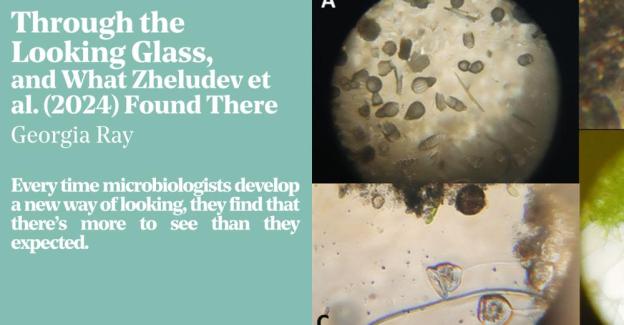
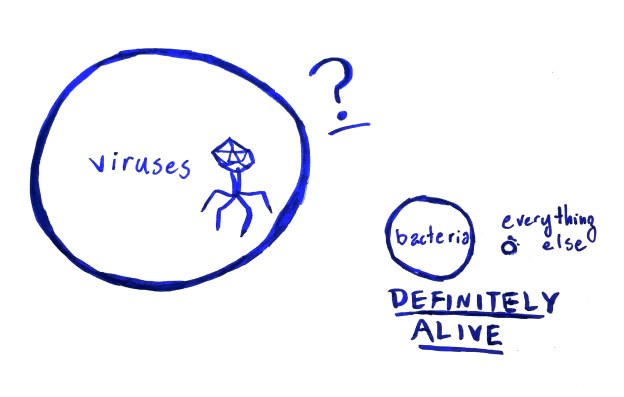
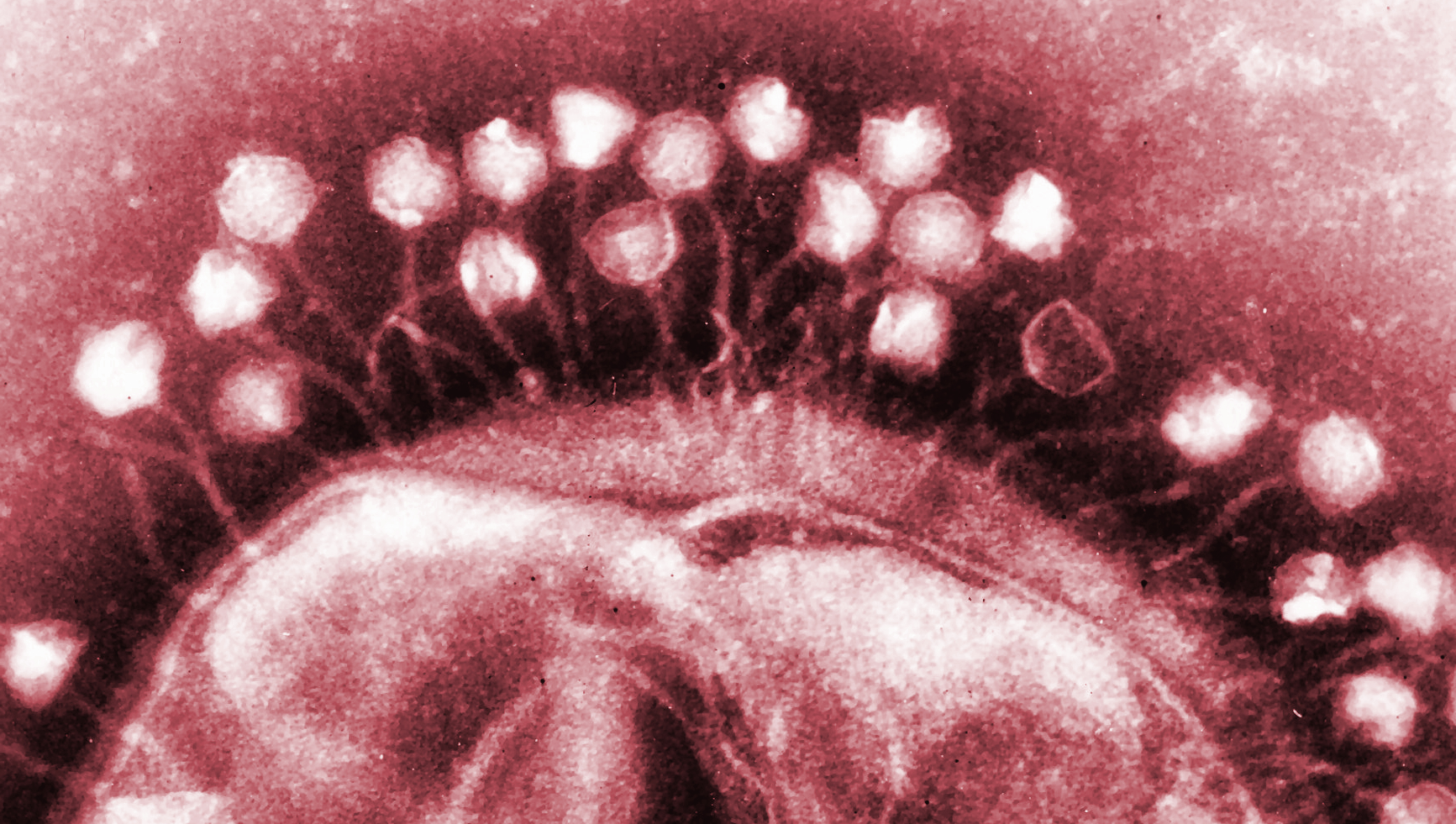
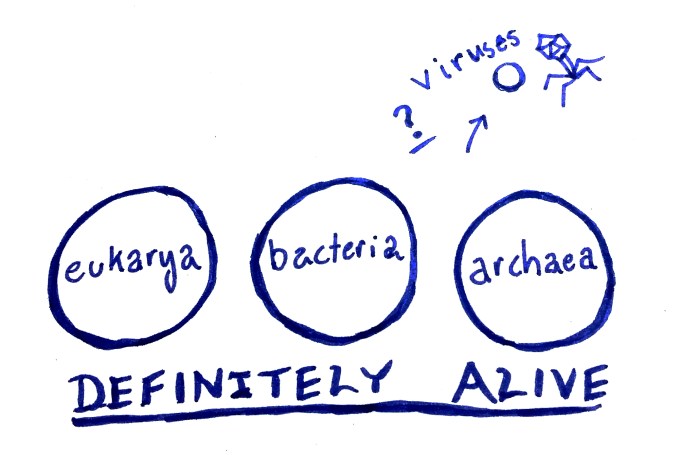
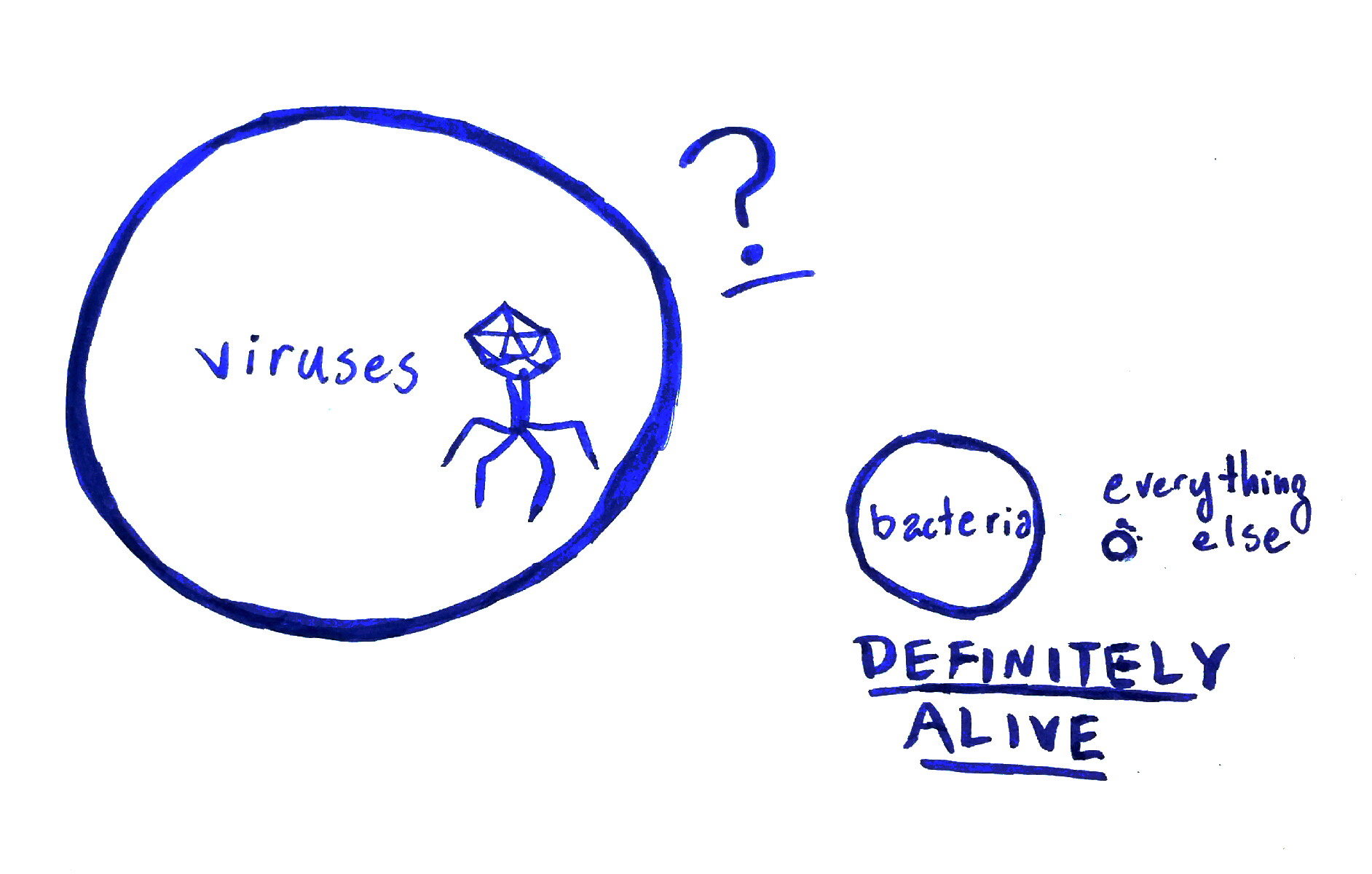
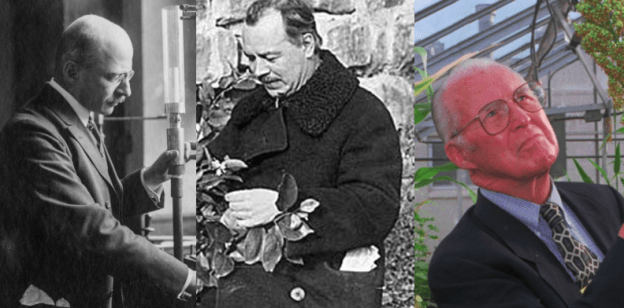
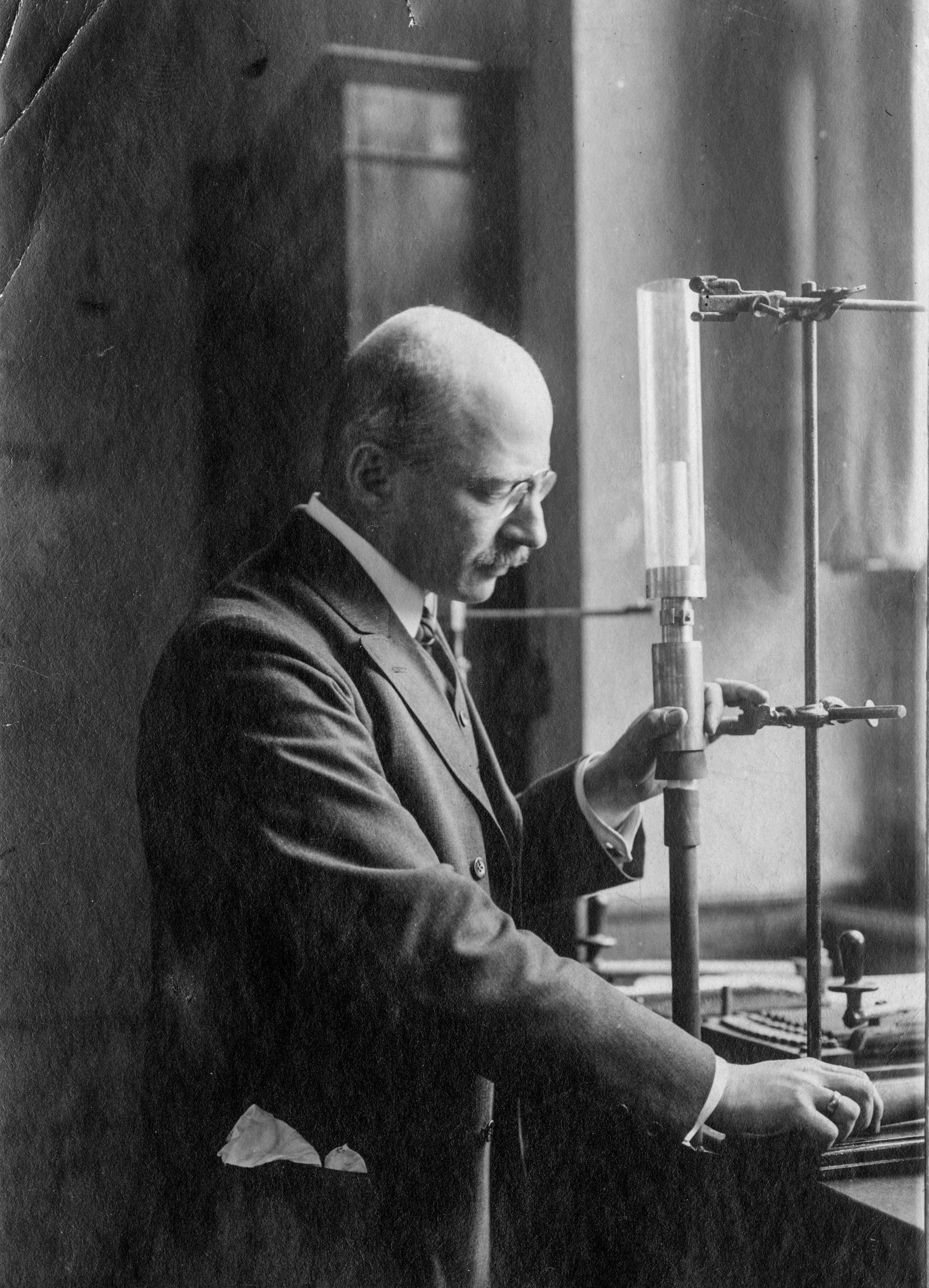
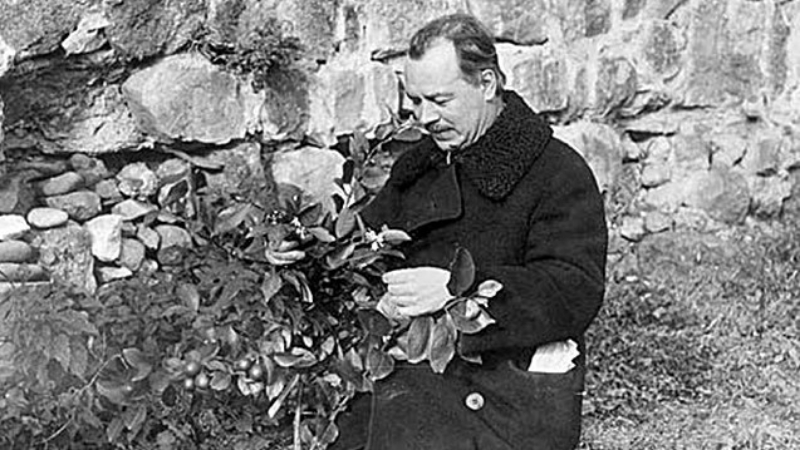
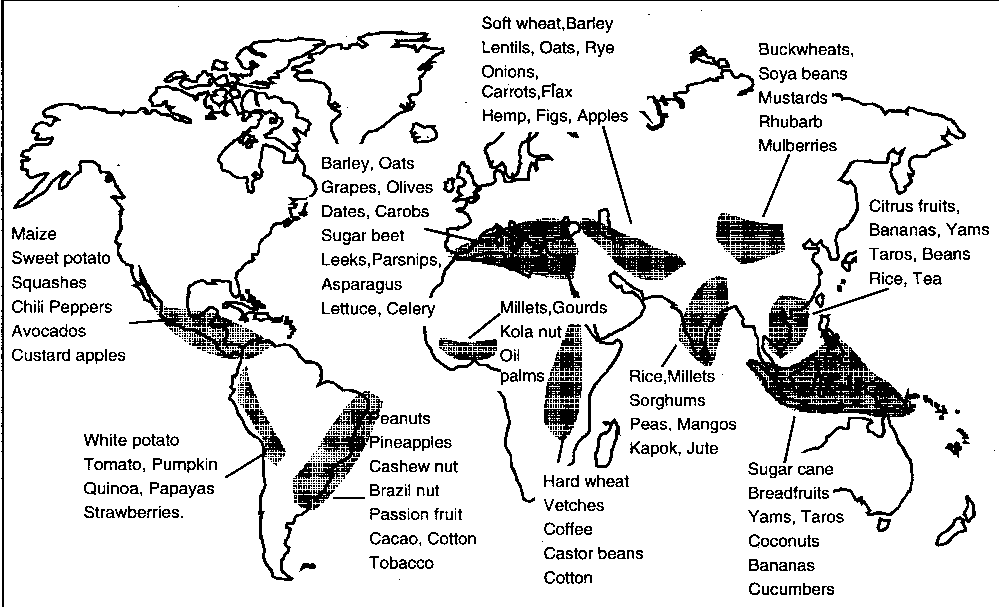
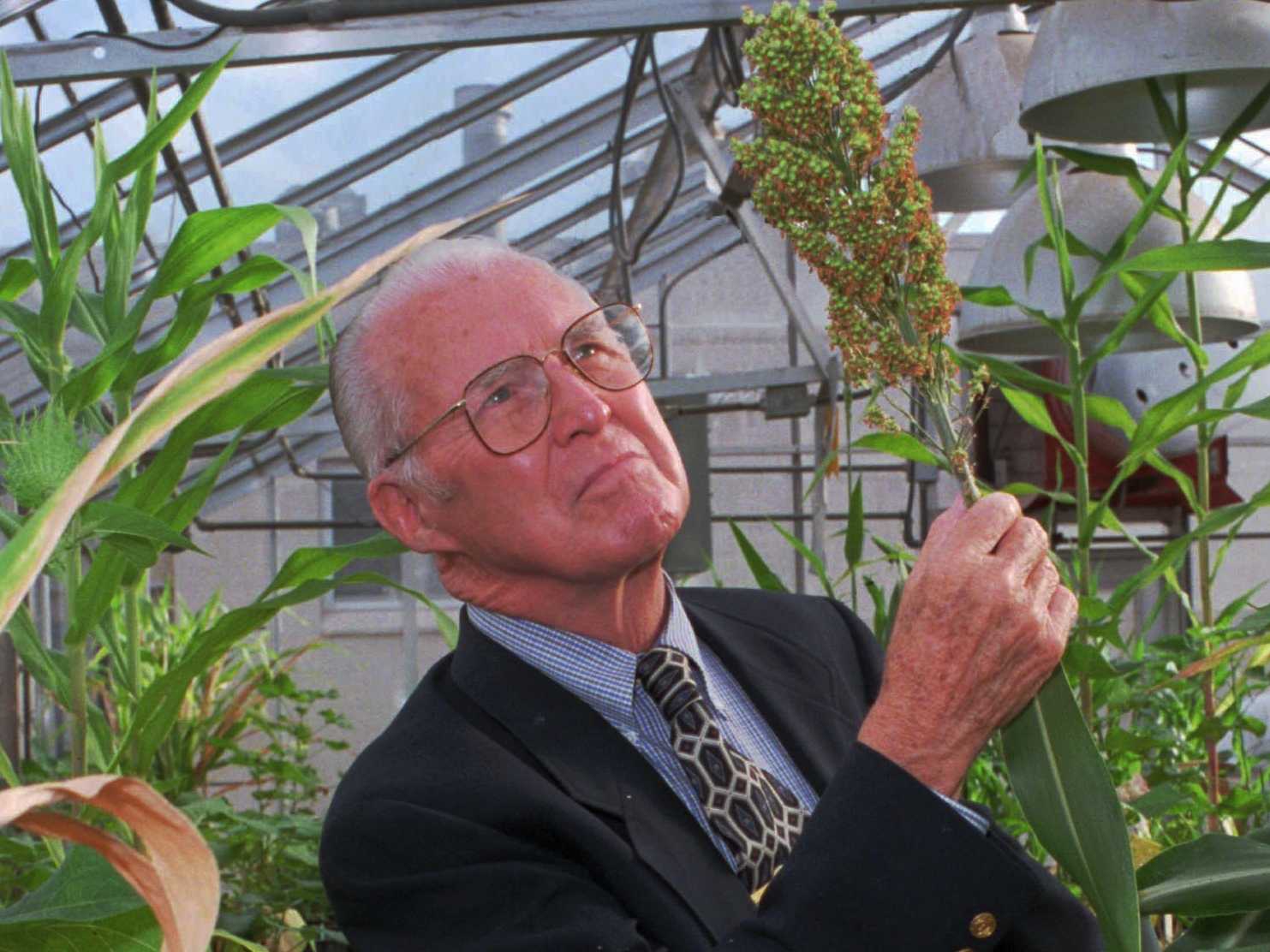
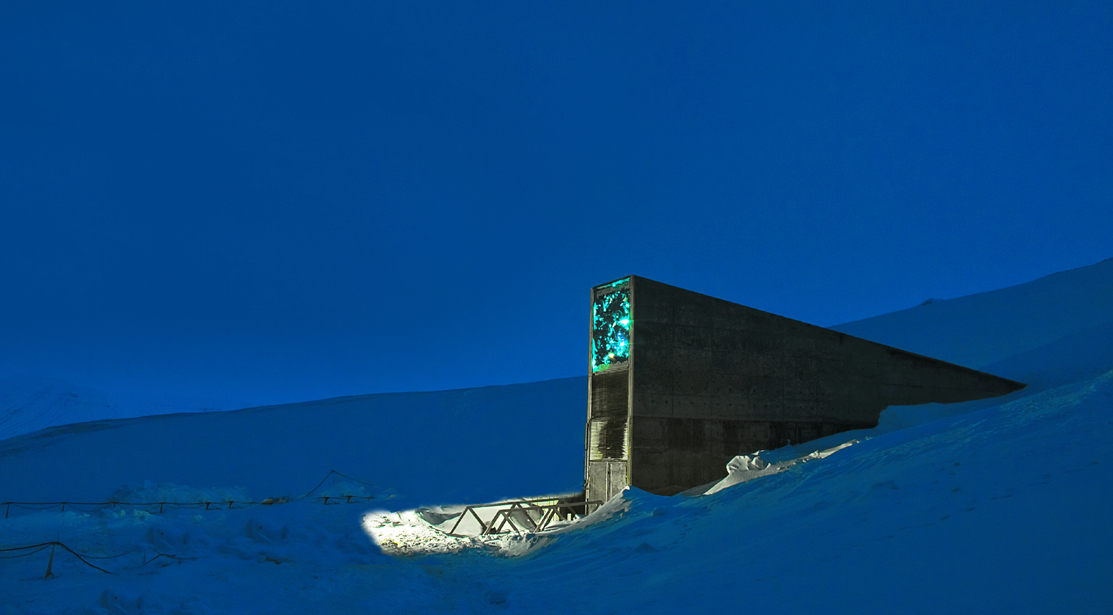
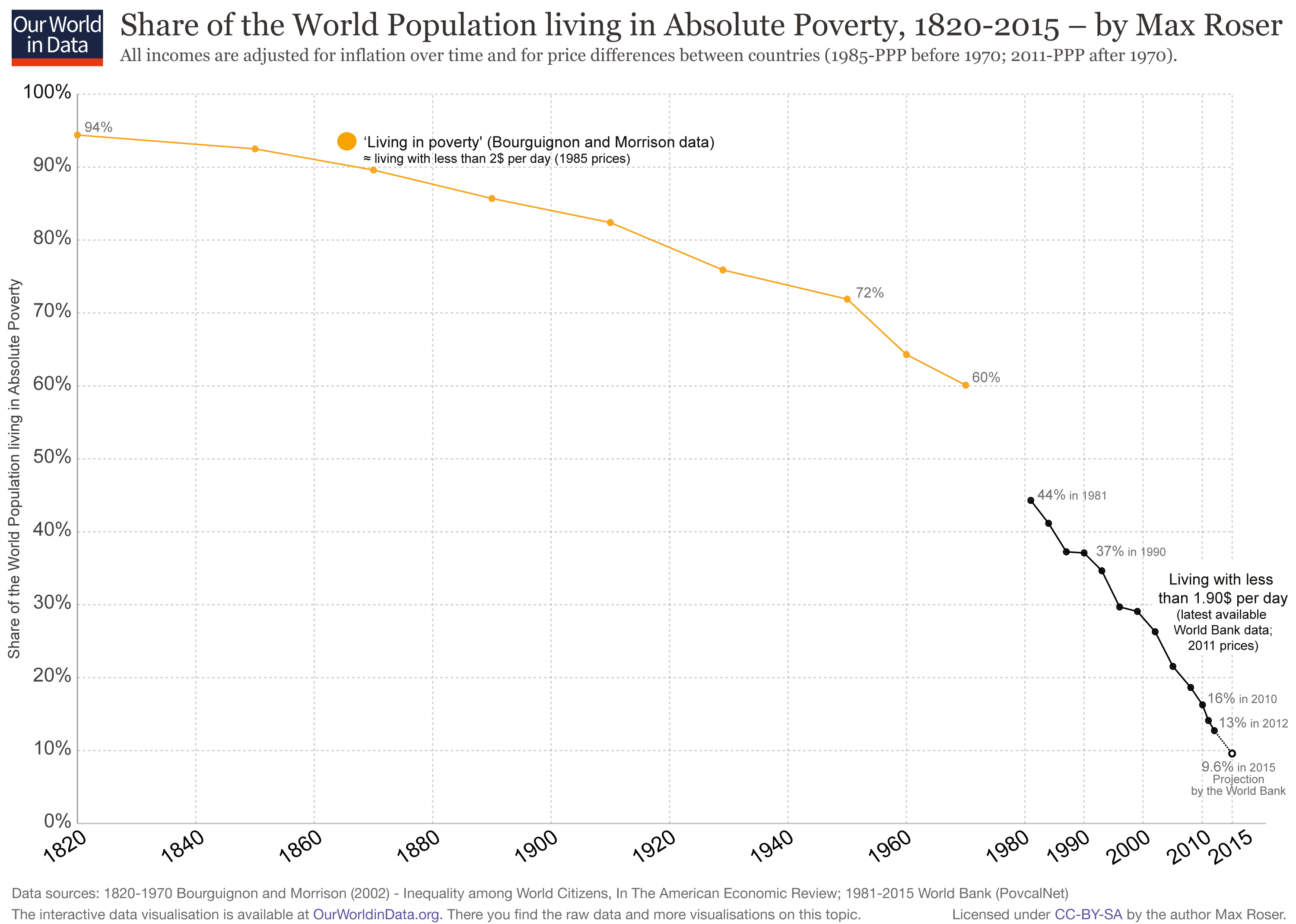

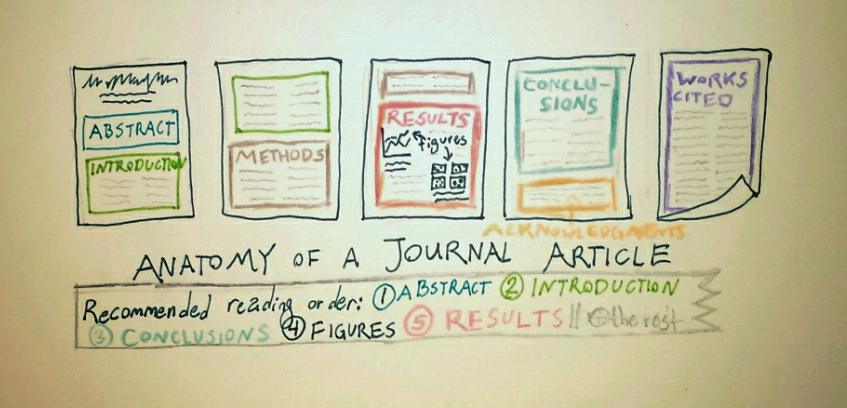
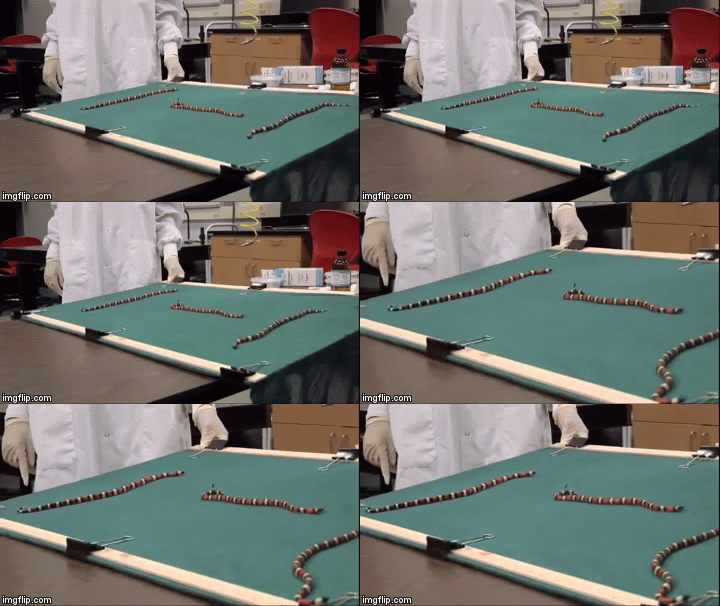

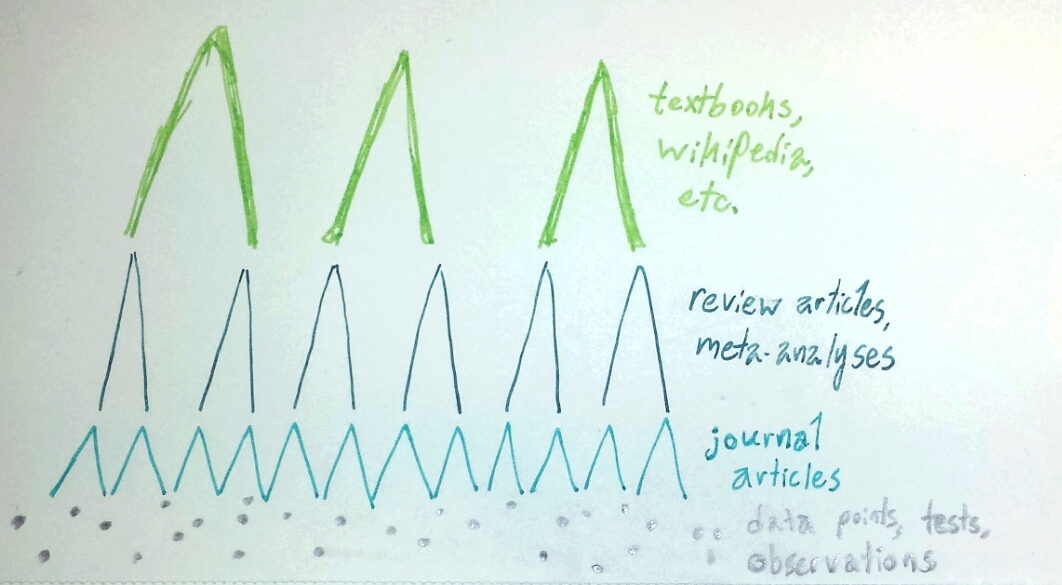
 Eukaryote Writes Blog
